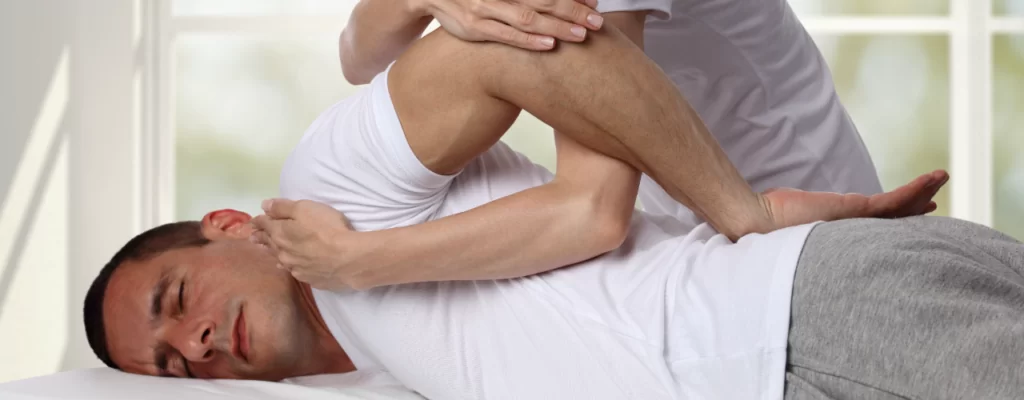
Hands-On Care That Supports Better Movement
Sometimes pain, stiffness, or muscle tension can make it difficult to move comfortably enough to exercise or complete everyday activities. Manual therapy uses skilled hands-on techniques to help address joint and soft tissue restrictions, reduce sensitivity, and make movement feel easier.
At Beyond Therapy and Wellness, manual therapy in Bedford, TX is never used as a one-size-fits-all treatment. Your therapist first evaluates what is contributing to your symptoms and determines whether hands-on care may support your broader goals.
Just as importantly, you remain involved in every decision. We explain what we recommend, why we recommend it, and what you can expect before treatment begins.
What Is Manual Therapy?
Manual therapy refers to a group of hands-on techniques physical therapists may use to address joints, muscles, connective tissues, and other structures involved in movement.
Manual therapy is usually most useful when it supports active rehabilitation. The goal is not for you to depend on hands-on treatment. Instead, it can create an opportunity to move more comfortably while you build strength, mobility, and physical capacity.
The specific technique depends on your symptoms and examination findings. Manual therapy may be used to help:
- Improve joint mobility
- Reduce muscle guarding or tension
- Address soft tissue restrictions
- Improve comfortable range of motion
- Temporarily reduce pain or sensitivity
- Make it easier to participate in exercise or functional movement
- Improve awareness of how an area moves and responds to touch
When Might Manual Therapy Be Helpful?
Manual therapy may be considered when stiffness, pain, or restricted movement is interfering with activities that matter to you.
Your therapist may recommend hands-on care for concerns such as:
- Neck or back stiffness
- Shoulder mobility limitations
- Hip or knee restrictions
- Muscle tension
- Joint stiffness after an injury
- Reduced mobility after surgery
- Scar or soft tissue restrictions
- Jaw or TMJ-related tension
- Certain pelvic health concerns
- Difficulty returning to movement after a period of reduced activity
Not every condition requires manual therapy. Your therapist will determine whether it adds value to your plan rather than including it simply because you are attending physical therapy.
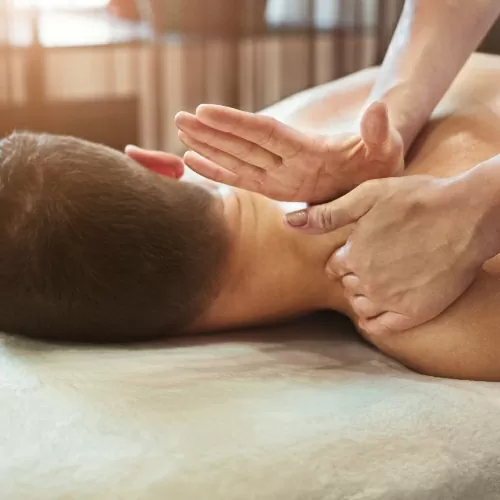
Manual Therapy Is Always Based on Your Evaluation
At Beyond Therapy and Wellness, treatment begins with understanding what you are experiencing.
Your therapist will ask about your symptoms, your health history, what movements are difficult, and what you want to improve. We may also assess joint mobility, muscle function, strength, movement, and how your symptoms respond to different activities.
If manual therapy appears appropriate, we will discuss how it may fit into your plan.
Because your appointments are one-on-one, your therapist can pay close attention to how you respond during treatment. You can speak up at any point if something feels uncomfortable or if you have questions about a technique.
Your comfort and consent are part of good clinical care.
Types of Manual Therapy We May Use
Manual therapy includes many different techniques. The appropriate approach depends on your individual findings and goals.
The techniques themselves are only tools. What matters is whether they help you move and function better.
Your treatment may include:
- Joint mobilization using controlled movements to help improve joint mobility and reduce stiffness.
- Soft tissue techniques using targeted pressure or movement to address muscle and connective tissue restrictions.
- Passive stretching to help improve mobility in areas that feel limited.
- Trigger point techniques using focused pressure to address sensitive areas within a muscle.
- Nerve mobility techniques to support comfortable movement of nerves when appropriate.
- Manual traction using gentle pulling forces to help reduce symptoms or improve comfort in certain joints or areas of the spine.
- Scar tissue techniques when healing tissue is limiting comfortable movement.
- Pelvic health manual therapy when appropriate and agreed upon as part of specialized pelvic floor care.
Pairing Hands-On Care With Active Treatment
Manual therapy can sometimes provide short-term changes in comfort or mobility. To build on those changes, your therapist may follow hands-on care with exercises that help your body use the movement you have gained.
For example, treatment may combine manual therapy with:
- Strengthening
- Mobility exercises
- Neuromuscular re-education
- Balance training
- Progressive loading
- Functional movement
- Pelvic floor exercises
- A personalized home program
This approach helps connect what happens on the treatment table to what you need in real life.
If your shoulder moves more comfortably after manual therapy, we may practice reaching or strengthening. If your hip feels less restricted, we may work on walking, stairs, or squatting. If pelvic floor tension is being addressed, treatment may also include breathing, movement, coordination, or relaxation strategies.
A Respectful Approach to Hands-On Treatment
Manual therapy requires trust. That is especially true when treatment involves areas of the body that feel sensitive, painful, or personal. At Beyond Therapy and Wellness, our all-female team is committed to providing care with dignity, clear communication, and respect for your preferences.
Every therapist on our team specializes in pelvic health, where consent and patient comfort are especially important. That same approach carries into all of our manual therapy care.
We will explain what we plan to do before we begin. You can ask questions, request changes, or decline any technique. Treatment should never feel like something being done to you without your understanding or participation.
Helping You Become Less Dependent on Treatment
Hands-on care may feel helpful, but our long-term goal is not to make you reliant on your therapist. We want to give you tools you can use independently.
As your mobility, strength, and confidence improve, manual therapy may become less important while exercise, activity progression, and self-management take a larger role.
That transition is a positive sign. It means your body is becoming better prepared to handle the activities you need and want to do.
Your Progress Matters
Hear from patients about their experience

-
 Life Changing Results
My experience here has been amazing! The staff is very personable, friendly, and professional! Their dedication to their patients is obvious!
–
S.M.
-
Considerate & Compassionate
I was treated by Dr. Ginamar Magalhaes, who is very highly skilled with the highest professionalism and compassion. I have the highest confidence in Dr. Ginamar and her intern. She developed a plan for me that improved me both physically…
–
Lilly K.
-
Effective & Caring
This is a great place to get therapy. Their staff and management have it together. Kristy and Gina helped me and were both effective and caring in their treatment.
–
Terry L.
-
Holistic Approach To Recovery
I have had extensive therapy in rehabilitation, hospital, and clinic settings since having an ischemic stroke in 2011. Beyond Therapy is outstanding among all the services I have received.
–
Jacquelyn N.


Frequently Asked Questions
Not exactly. Some manual therapy techniques may feel similar to massage, but physical therapists use hands-on treatment based on an evaluation of your movement, symptoms, and function. Manual therapy may involve joints, muscles, nerves, scar tissue, or other structures and is typically combined with exercise and movement training.
Manual therapy should not require you to tolerate significant pain for treatment to be effective. Some techniques may create temporary pressure, stretching, or mild sensitivity, but you should communicate with your therapist throughout treatment. Your therapist can modify or stop a technique based on your comfort and response.
Your therapist considers your symptoms, physical examination, mobility, strength, functional limitations, health history, and goals. Your feedback also matters. A technique is selected because it appears relevant to your needs, not because every patient with the same diagnosis receives the same treatment.
Move More Comfortably With Individualized Support
Manual therapy can be a useful part of physical therapy when it is selected thoughtfully and connected to your functional goals.
At Beyond Therapy and Wellness, we combine hands-on care with one-on-one attention, education, and active treatment so you understand how each part of your plan supports your progress.
Contact Beyond Therapy and Wellness to learn more about manual therapy in Bedford, TX. We will listen to your concerns, evaluate how you move, and determine whether hands-on treatment may be a helpful part of your care.
Your Next Steps…
- Request An Appointment
- Receive A Custom Treatment Plan
- Work Hard and Progress In Your Recovery
- Recover & Enjoy Life Pain-Free